Homeowners can get several types of warranties when they replace their roof. An artistry warranty covers installation errors and usually lasts up to a decade. Manufacturer warranties cover issues with the materials themselves and can last several decades. An extended warranty can cover more, but has specific requirements. If a roofer offers warranties, it’s a sign they are confident in their work.
Warranties can be confusing if you are getting your roof replaced. However, it’s important to know what a roof warranty entails and how it can protect your investment. You may have multiple types of warranties on your new roof, each covering different things. Equity Roofing and Exteriors will install your new roof and help you understand how your warranty works.
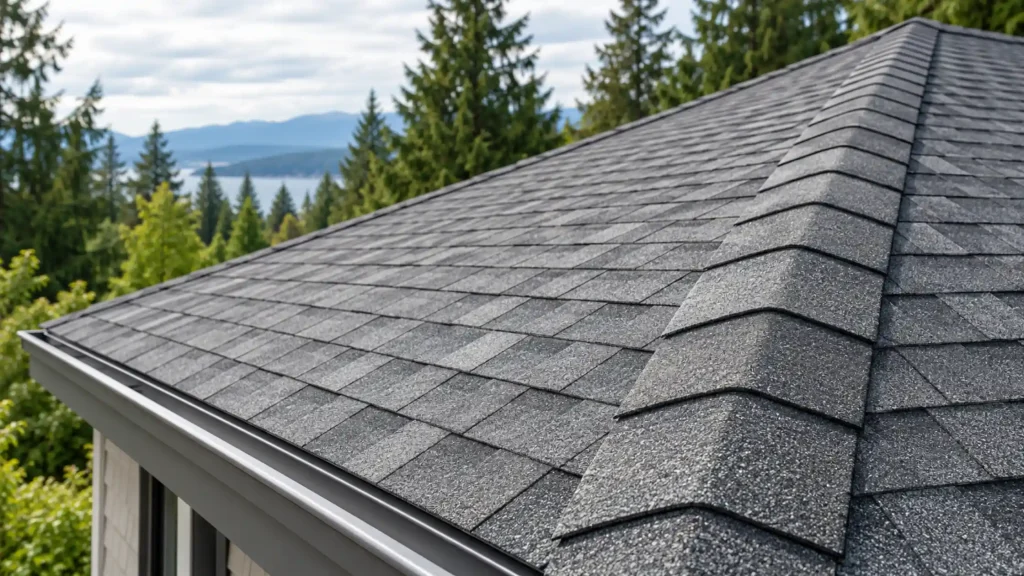
Types of Roof Warranties
Roof warranties come in different types, each covering different things.
1. Workmanship Warranty
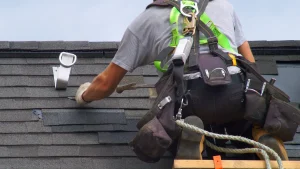
At Equity Roofing and Exteriors, we offer artistry warranties for our clients. This type of warranty covers installation errors made by the roofers. Examples include leaks from shingles installed incorrectly, improper nailing, or other mistakes in the roofing process. Even the best materials can’t do their job if they weren’t installed right in the first place. If the job was done incorrectly, an artistry warranty means that the roofer should fix their mistakes for free.
Artistry warranties usually last around 5-10 years, depending on what company you choose for the roof replacement. This type of warranty doesn’t cover damage caused by natural wear and tear or weather events such as storms. Review the warranty terms so you don’t do anything that voids it. If a roofing company offers one, it means they take pride in their work and will do the job right.
2. Manufacturer Warranty
Equity Roofing and Exteriors also offers manufacturer warranties. A manufacturer warranty covers defects in the products used to make the roof, such as shingles, underlayment, and other roof components. For example, if your shingles fail, warp, or lose granules early, your manufacturer warranty may apply. This type of warranty means the manufacturer will replace defective materials, but it does not cover installation costs.
Manufacturer warranties can last 20 to 50 years, depending on the material and brand. However, manufacturer warranties do not cover damage from improper installation, poor ventilation, weather, or age-related wear and tear. It’s usually free to add a warranty to roofing materials, so why not do it for extra protection? Equity Roofing and Exteriors uses high-quality roofing materials with warranties.
3. Extended/System Warranty
This type of warranty comes from manufacturers and contractors partnering together. If you have your roof installed by the manufacturer’s preferred contractor and use their components for the whole roof system, you may be eligible for an extended warranty with enhanced coverage. An extended warranty is usually transferable and can cover labor and materials for longer.
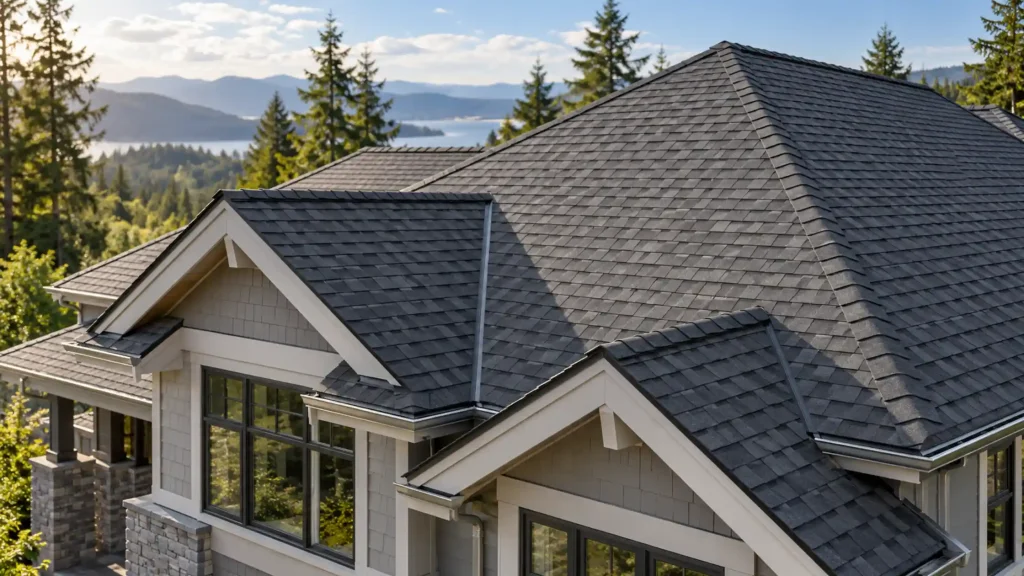
We’ve Got Your Roof Covered: Guaranteed Quality
A strong warranty protects your roof for years to come and offers homeowners peace of mind. At Equity Roofing and Exteriors, we offer warranties for our roofing services because we are confident in our work. Our team does high-quality roof replacements for local people in the Olympia area. If you’re looking for a roofing company with transparent warranties, durable materials, excellent artistry, and years of experience,reach out to Equity Roofing and Exteriors to see how we can help.
FAQs
Which type of warranty applies if my roof leaks?
This depends on what caused the roof to leak- was it a material defect, or a mistake on the part of the roofers? If installation errors caused the leak, the workmanship warranty applies; if the leak is due to problems with the roofing materials, the manufacturer’s warranty applies.
What does the maintenance requirement for a roof warranty consist of?
To keep a roof warranty valid, you must perform routine maintenance, such as cleaning the roof, getting inspections done, clearing gutters and drains, and promptly making small repairs. Keep up with maintenance to retain warranty protections.
What types of actions can void a roof warranty?
There are certain actions (or inactions) that can void your roof’s warranty, such as not getting regular inspections done, doing pressure washing on the roof, adding DIY repairs or additions, having insufficient ventilation, and hiring uncertified roofers to do work. Follow your warranty’s guidelines and terms to keep it valid.
Should I keep documentation related to the roofing job and its warranty?
Yes, save everything so you can access it if you need it; there’s no point in having a warranty if you can’t use it. This includes contracts, service logs, reports, receipts, and more, and you can keep both digital and physical copies.
How long does a roof warranty last?
Labor warranties usually last up to 10 years, while material warranties can last 20-50 years, depending on the materials used. Know your warranty terms, so you know when they expire.
If I end up selling my home, can I transfer the roof warranty to the new owner?
If the warranty is explicitly transferable and you have followed its terms, you can transfer it to the new owner. A transferable roof warranty can actually increase your home’s value, allowing you to sell it at a higher price.
Does a roof warranty cover damage that happens from storms?
No, roof warranties usually do not cover storm damage such as fallen tree branches, strong winds, heavy rain, or lightning. Weather-related damage should be covered under your homeowner’s insurance policy instead.
Will my manufacturer's warranty cover everything?
Manufacturer warranties cover defects in roofing materials, such as early cracking or granule loss in shingles. However, they don’t cover issues like poor maintenance or installation errors.
What are the main types of roof warranties?
There are four main types of roof warranties: manufacturer’s material warranty, full-system or extended warranty, no-dollar-limit warranty, and contractor artistry warranty. Warranties fall into two categories: those that cover installation and those that cover the product.
How can I keep my roof’s warranty valid?
To keep your warranty valid, have your roof inspected and maintained regularly. Also read the warranty terms soyou’ree familiar with them, and ask your roofer if you have any questions or concerns.