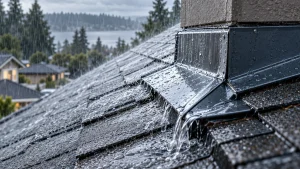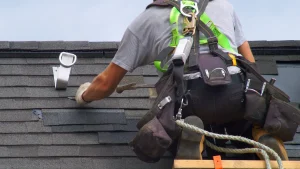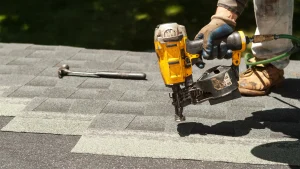

Roof flashing and seals prevent roof leaks. They protect vulnerable roof areas, helping the roof last longer and preventing damage. Rain can affect roof flashing and seals over time, causing them to fail. If that happens, you need a roofer to inspect your roof and determine whether you need flashing repairs or replacement. Fixing flashing problems early on prevents leaks from causing extensive roof damage.
As we leave summer behind and enter fall, we’ll see more rainy days. Washington has very rainy autumns, which can cause issues with roof flashing and seals. Seal and flashing failures can cause roof leaks, a serious problem that shouldn’t be ignored. Equity Roofing and Exteriors can inspect your roof and repair any issues that could be causing leaks. They are the Olympia roofers who can help keep your roof in tip-top shape.
What is Roof Flashing
Flashing is metal on your roof that directs water away from seams. Flashing bridges gaps between your roof tiles and other areas such as chimneys, skylights, vent pipes, vertical walls, and edges. Flashing is usually made of thin metal such as copper, aluminum, or steel. Flashing covers transitional roof areas that shingles can’t fully cover.
Flashing seals tiny gaps and prevents roof leaks. This keeps water from infiltrating your attic and roof deck and causing structural damage such as mold or rot. When flashing fails, the vulnerable areas of your roof are susceptible to water damage.
What are Roof Seals?
Roof sealants fill cracks, gaps, and seams in the roof to waterproof it. Roof sealants are usually made of silicone, polyurethane, acrylic, or bitumen asphalt. They protect the roof against UV rays and rain. Roof sealant is meant to last between 10 and 20 years.
How Does Rain Affect Roof Flashing and Seals?
- When heavy rain pools on the roof, it can force water through otherwise sound seals. Normally, flashing can divert water fast enough, but heavy rain can test it. Water takes the path of least resistance.
- Extreme heat and cold can cause metal flashing to expand and contract. Over time, this can create gaps between the flashing and the underlying caulk. Rain can then leak through these small gaps.
- Seals around vents can split or rot from UV light, rain damage, and more. As this happens, they lose their grip and fail.
- There’s a phenomenon called capillary action where rainwater gets sucked into the tiny gaps in overlapping flashing. It can even work against gravity, trapping moisture and causing damage over time.
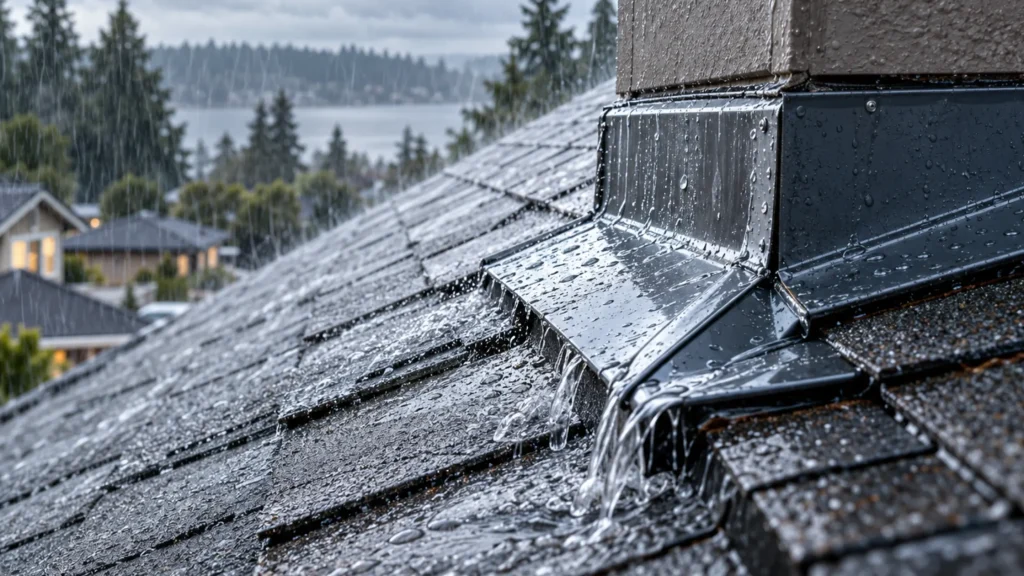
What Are Some Signs of Flashing Failure?
Most people don’t think about their roof’s flashing unless something is wrong. Identifying problems early on can help prevent serious roof damage. Knowing the potential signs of flashing or seal failure matters.
- When the roof is leaking, water stains can appear on the ceiling or walls. Often, the actual leak is not directly above the stain because water travels down beams before dripping down.
- Moisture in the attic after rain can mean it isn’t properly sealed. Recurring rain can cause mold to grow around chimneys and vents in the attic.
- If you can see daylight peeking through your roof from your attic, your flashing or seals have failed.
- When flashing is degraded, rust streaks may appear near it when it rains.
- If you see visible lifting or looseness in the flashing, it isn’t secured.
- Peeling, crumbling, or missing chunks of caulking around roof joints means that the seal is no longer tight and there are gaps.
- Bubbling or blistering in the sealant can mean that water is trapped beneath it.
- Old roof sealant can shrink, creating gaps that water can get through.
A professional roofing inspection can help identify any flashing problems before they get too bad. A small leak now could mean replacing your entire roof and roof deck later. You can’t stop the Washington rain, but you can take steps to maintain your roof. Schedule an inspection with Equity Roofing and Exteriors to ensure your roof can withstand the elements this autumn.

Frequently Asked Questions
How can I keep extra water from damaging my roof?
Regularly cleaning out your gutters can keep water from building up and causing damage. Repairing any damage to your shingles or flashing can also help prevent leaks and water damage.
How do storms cause damage to roofs?
Storms can be rough on roofs, causing significant damage and shortening a roof’s lifespan. Heavy rain and hail can damage shingles, and wind can tear them off; rain can also damage flashing.
In what areas of the roof is the flashing most vulnerable to damage?
The areas of the roof most susceptible to flashing failure are around chimneys and skylights, where gaps commonly form. Flashing problems can also happen at valley intersections because they are exposed to large volumes of water.
Why is it important to have your roof’s flashing installed by a professional?
Improperly installed flashing can’t handle heavy winds and rain. An experienced roofer should nail flashing down tightly and in the right places so it can do its job and last a long time.
Should I replace or repair the flashing on my roof?
Sometimes flashing is too damaged for repairs to suffice, such as when it’s oxidized, corroded, distorted, or the metal has broken down. If the damage is limited to a small section, or there’s a minor sealant failure, repairs may be enough to fix the problem.
Can damaged roof flashing cause a leak only during heavy rain?
Yes. Small gaps or weaknesses around flashing may not allow noticeable water intrusion during light rain, but heavier rainfall can expose the problem. Wind-driven rain can also reach vulnerable areas around roof penetrations, walls, chimneys, and other transitions.
Should roof flashing be checked before Washington's rainy season?
Inspecting vulnerable roof areas before prolonged wet weather can help identify loose flashing, deteriorating sealant, damaged shingles, and other potential leak sources before they become bigger problems.
Can a roof leak come from somewhere other than the spot above the water stain?
Yes. Water can enter the roof in one location and travel along the roof deck, rafters, or other materials before becoming visible inside the home. This is one reason finding the source of a roof leak can require a professional inspection.
What happens if damaged roof flashing isn't repaired?
Water can continue to enter the roofing system and damage the roof deck, insulation, ceilings, walls, and other materials. Addressing a flashing problem early can prevent a small repair from becoming more extensive damage to the roof.
When does flashing damage mean I may need a roof replacement?
Flashing damage by itself doesn’t always mean the entire roof needs replacement. If the flashing problem is localized and the rest of the roofing system is in good condition, you may be able to repair it. When leaks are widespread, or the surrounding roofing system has significant deterioration, a roof replacement may be the better long-term solution.