What Happens During a Residential Roof Replacement?
Replacing your roof is a major home improvement project, but it should not feel confusing. A good roofing contractor will explain the process, help you prepare your home, protect your property during the project, and complete the installation with a final cleanup and walkthrough.
For many homeowners, the need for roof replacement begins with visible warning signs. Missing shingles, roof leaks, damaged flashing, sagging roof sections, moss growth, storm damage, or an aging roofing system can all point to a larger problem. If roof issues are ignored, water intrusion can spread into the attic, insulation, walls, and structural areas of the home.
Equity Roofing and Exteriors provides residential roof inspections and roof replacement services for homeowners in Olympia and the surrounding areas. If your roof is damaged, aging, or no longer protecting your home properly, our team can help determine whether a repair is enough or whether a full roof replacement is the better long-term solution.
Step 1: Roof Inspection and Project Preparation
Before the roof replacement begins, the contractor will inspect the existing roof, review problem areas, discuss material options, and provide an estimate. This step helps determine the scope of the project and whether there are visible concerns such as damaged shingles, failing flashing, soft spots, leaks, or signs of roof deck deterioration.
During preparation, the roofing contractor may also help coordinate materials, scheduling, permits, disposal, and job-site access. Homeowners should prepare by moving vehicles, patio furniture, potted plants, and outdoor items away from the work area. Items stored in the attic should be covered because dust and debris can fall during tear-off.
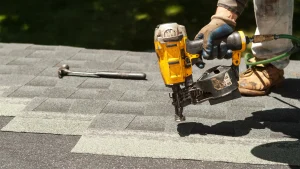
It is also a good idea to close windows and vents, protect valuables on walls or shelves, and plan around the noise. Roof replacement can be loud because crews use nail guns, hammers, pry bars, and other tools throughout the day. If you work from home, have young children, or have pets that are sensitive to noise, you may want to make temporary plans away from the house during the most active part of the installation.
Step 2: Removing the Old Roofing Materials
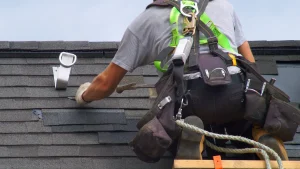
Once the crew arrives and the property is prepared, the old roofing materials are removed. This usually includes shingles, nails, underlayment, flashing, and other worn or damaged components.
Tear-off can be messy, but a professional crew should take steps to protect landscaping, siding, windows, walkways, and areas around the home. Old materials are typically placed into a dumpster or disposal trailer so they can be hauled away from the property.
After the old roof is removed, the crew can inspect the roof deck underneath. This is an important part of the process because the new roofing system needs a solid foundation. If the decking is soft, rotted, sagging, or damaged by water, those sections should be replaced before the new roof is installed.
Step 3: Installing the New Roofing System
After the roof deck is inspected and prepared, the new roofing system can be installed. A proper roof replacement is more than just new shingles. It includes multiple layers and components designed to help protect the home from wind, rain, moisture, and long-term weather exposure.
The installation may include:
- Drip edge
- Ice and water shield where needed
- Roofing underlayment
- Flashing around vents, chimneys, skylights, and roof transitions
- Starter shingles
- Field shingles
- Ridge caps
- Ventilation components
Equity Roofing and Exteriors installs roofing systems with attention to durability, weather protection, and adherence to proper installation standards. As an Owens Corning-certified roofing contractor, the company can help homeowners choose roofing materials that fit their home, budget, and long-term performance needs.
Equity also works with quality roofing products, including Malarkey Highlander shingles, a strong option for homeowners seeking reliable asphalt shingle roofing in Western Washington.
Step 4: Cleanup, Final Inspection, and Walkthrough
After the new roof is installed, the crew will clean up the job site. This includes removing old materials, picking up debris, clearing unused supplies, and checking the yard, driveway, and walkways for stray nails or roofing scraps.
A roofing crew should also complete a final review of the roof and ensure that important areas such as flashing, ridge lines, roof edges, vents, and valleys were finished properly. The contractor may walk the property with the homeowner, answer questions, and confirm that the cleanup is complete.
The goal is to leave the home protected, the property clean, and the homeowner confident in the finished roof replacement.
How Long Does a Roof Replacement Take?
Many residential roof replacement projects can be completed in one to a few days, depending on the size of the home, roof pitch, roof complexity, weather, material availability, and whether damaged decking is discovered during tear-off.
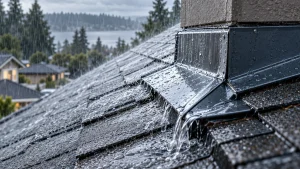
In Western Washington, rain can also affect the schedule. If weather conditions are unsafe or could expose the home to moisture during installation, the project may be paused or rescheduled. If rain begins during the project, the crew should protect exposed areas and continue when conditions allow.
When Should You Replace Your Roof?
You may need a roof replacement if your roof has widespread damage, repeated leaks, missing shingles, worn materials, soft decking, storm damage, or age-related deterioration. A roof inspection can help determine whether repairs are enough or whether replacing the full roofing system is the better choice.
Common signs that your roof may need replacement include:
- Missing, curling, cracked, or damaged shingles
- Water stains on ceilings or walls
- Leaks during heavy rain
- Sagging roof areas
- Damaged flashing
- Moss or algae growth
- Granule loss from asphalt shingles
- Repeated repair issues
- An older roof near the end of its service life
If you are unsure whether your roof needs repair or replacement, Equity Roofing and Exteriors can inspect your roof and clearly explain your options.
Residential Roof Replacement in Olympia and Surrounding Areas
Equity Roofing and Exteriors provides residential roof replacement services for homeowners in Olympia, Thurston County, and nearby communities. The team understands how Pacific Northwest weather affects roofing systems and helps homeowners choose materials and installation options designed to protect their homes through rain, wind, seasonal storms, and changing temperatures.
Whether your roof has storm damage, aging shingles, recurring leaks, or visible wear, Equity Roofing and Exteriors can help you plan the next step with confidence.
Schedule a Roof Inspection
If you are thinking about replacing your roof, the first step is a professional inspection. Equity Roofing and Exteriors can evaluate your current roofing system, identify problem areas, explain whether repair or replacement makes the most sense, and help you understand what to expect before work begins.
Contact Equity Roofing and Exteriors today to schedule a residential roof inspection in Olympia or the surrounding area.
FAQS About Residential Roof Replacement
What is the best time of year to replace a roof in Washington?
Spring, summer, and early fall are often ideal times for roof replacement because the weather is usually more predictable. However, roof replacement can often be completed during other parts of the year if there is a safe weather window and the materials can be installed correctly.
Do I have to be home during roof replacement?
You usually do not have to stay home during the entire roof replacement, but you should be reachable by phone in case the crew has questions. Many homeowners choose to leave during the loudest parts of the project, especially if they have children, pets, or work-from-home schedules.
Will my home be protected if the project takes more than one day?
Yes. If a roof replacement takes more than one day, the crew should protect exposed areas with underlayment, tarps, or other temporary weather protection. This is especially important in Western Washington, where rain can develop quickly.
What happens if it rains during my roof replacement?
If rain starts before the project begins, the work may be rescheduled. If rain begins during the project, the crew should cover and protect exposed areas, then continue when conditions are safe and appropriate for installation.
How long does a residential roof replacement usually take?
Many residential roof replacements take one to a few days. Larger homes, steep roofs, complex rooflines, damaged decking, and weather delays can extend the timeline.
What gets removed during a roof replacement?
During a full roof replacement, the crew typically removes old shingles, nails, underlayment, damaged flashing, and other worn roofing materials. This allows the roof deck to be inspected before the new roofing system is installed.
Why does the roof deck matter during replacement?
The roof deck is the structural surface underneath the roofing materials. If the deck is rotted, soft, or damaged, it may not support the new roof properly. Damaged sections should be replaced before the new roofing system is installed.
How should I prepare my house before roof replacement?
Before roof replacement, move vehicles away from the house, clear outdoor furniture and decorations, cover items in the attic, close windows and vents, and secure fragile items inside the home. You may also want to make plans for children or pets because the project can be noisy.
How do I know if I need roof repair or full roof replacement?
A roof repair may be enough for isolated damage. A full roof replacement may be recommended if the roof has widespread wear, recurring leaks, storm damage, aging shingles, damaged decking, or multiple problem areas. A professional inspection can help determine the best option.